Life with Siberian Huskies
The Journey is more important than the destination
A Dogs Purpose:
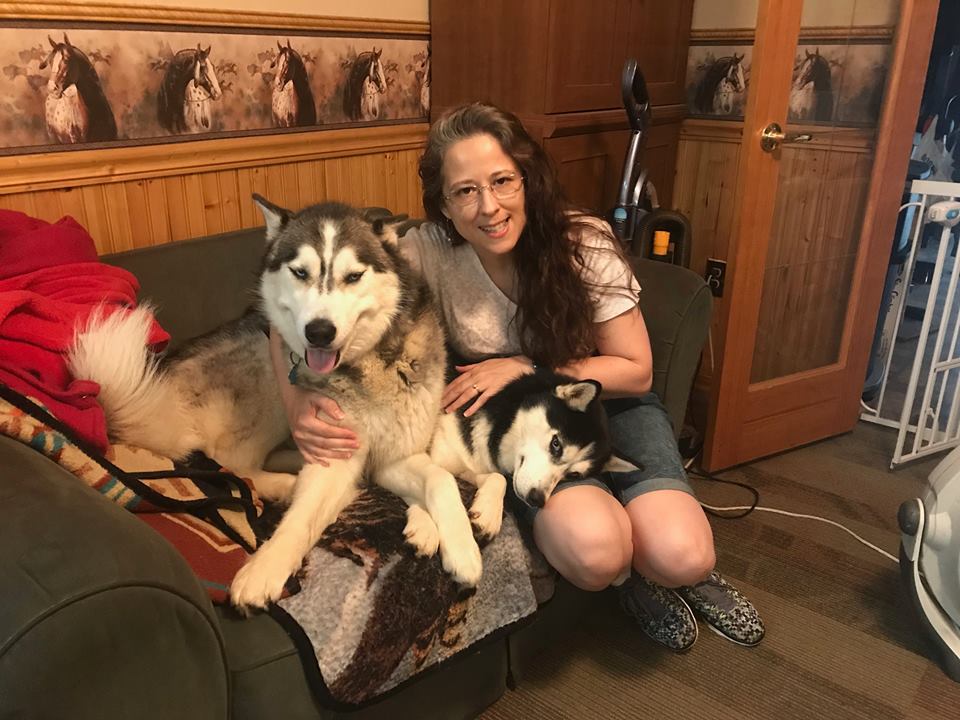
Now I’m not much of a churchgoer. That doesn’t mean I don’t believe, it means I don’t believe in manmade temples built on the potential profits sheared from the flock. I believe in what is real to me, what is proven to me.
And what has been proven to me is the love of a dog or dogs as the case might be is real. They have a purpose in their short lives, and that singular purpose in life is to love us.
Have you ever looked in the mirror and thought:
“Damn, I’m old!”
“My hair fell out!”
“I have more wrinkles”
“I’m overweight”
“I’m poor”
“I’m dumb compared to most”
“My life sucks!”
When that happens all you need to do is look at your dog. They don’t see or think that. What they see is you as the love and the purpose of their life. They see your heart, and that is all that matters to them.
That’s what they give us.
The Problem with Animal Rights Activist:
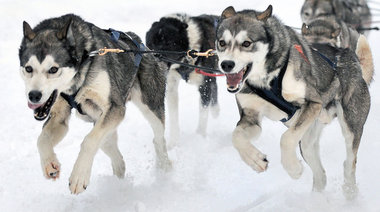
I think a lot about my dogs and yours too. I’m partial to sled dogs but I’ve owned and bred many different breeds. GSD’s are probably my second choice to Huskies because I started with them and learned how to train them to be police dogs. But comfort dogs that spend their whole lives with humans are also not forgotten by me. They provide a service just as important as the working breeds. They all have jobs of one kind or another, for work and a purpose in life is important to all living things.
The GSD’s have that built in protection gene, the need to guard something or defend something. Sled dogs have the built-in genes to pull and run for adventures that lie around the next bend in the trail. Both are fearless when it comes to doing what they do. They don’t think about it, they do it. It’s what they are.
There are so many different breeds of dogs and that fits perfectly with so many types of humans. Finding your match is what it’s all about. Grandma doesn’t need a high powered sled dog any more than I need a Yorkshire terrier to boss me around the house.
But I will tell you that when you find that match to your own persona it makes dog ownership something really special. To say that dogs should run free is akin to stupidity. They would not survive without us. Thousands of years of this partnership has been ingrained into them, they have long lost the ability to survive on their own. We have changed them into what they now are, and it’s our responsibility to honor those changes.
We need them as much as they need us. That is not going to change now because some people think that is what is best for them. Dogs are animals, not humans, to humanize them is the wrong perspective. It is, in fact, detrimental to both the human and the dog.
Breeding dogs: The difference between responsible breeding and puppy mills is easy. Responsible breeders breed dogs that they believe in. It’s not about making money, you only hope to make enough to continue to produce the best puppies that represent the breed that you can.
The responsible breeder has hope, that the next litter will produce a Grand Champion, Iditarod winning Lead dog or a service dog that will lead the blind. When you see those puppies born they are the future of the breed. You have hopeful expectations that they will become what you dream for them. Just as if they are your own children you want them to have happy fulfilled lives.
Puppy mills are about money and only money. The dogs are property and only property. These people do the minimum of care and only if it will produce profits.
The puppies have expectations of us as well.
Will my human be a good owner, or starve and beat me? Will I go to dog college or be chained and forgotten. I’ve seen this look in puppies eyes before. The look of hope and trust that I will help them to become the best that they can be. Unless you have no soul you cannot ignore that look on the face of newborn life.
Bringing dogs into the world comes with a responsibility you must assume. You must do everything in your power to give them the best life you can. Expectations are high for both dogs and the responsible breeder.
Police dogs get killed doing what they were made for, and that is to save lives much like the officer’s that partner with them. Sled dogs die as well, doing a job that they love. Service dogs help and give life to others that have lost all hope.
This is what dogs give to us in just a few of the many ways. All they want in return is to have a good life doing what they were bred for. They have enough problems without activist making them worse.
If you want to humanize dogs then do it fairly. To stop a Greyhound from racing, or to stop a GSD from guarding, or to stop a sled dog from racing, or to stop a Lab from leading the blind is the same as denying your own child college, food and shelter, medical care, and stopping them from having a happy and fulfilled life that matters.
That is what is wrong with Animal rights activist. They choose to deny these animals what they want and need, in order to fulfill some void in their own miserable lives at the expense of others. Nothing matters to them but “Them.” They really don’t care about the dogs. Dogs are just the medium they chose to make them feel better, regardless if it actually does more damage to them.
This is the world we live in now. People are gunned down at random, so what chance do the animals have? Not much except for us, the ones who haven’t lost our minds to reality TV and Celebrity BS.
We are the real Animal Rights protectors. We are the protectors of the breeds we love so much.
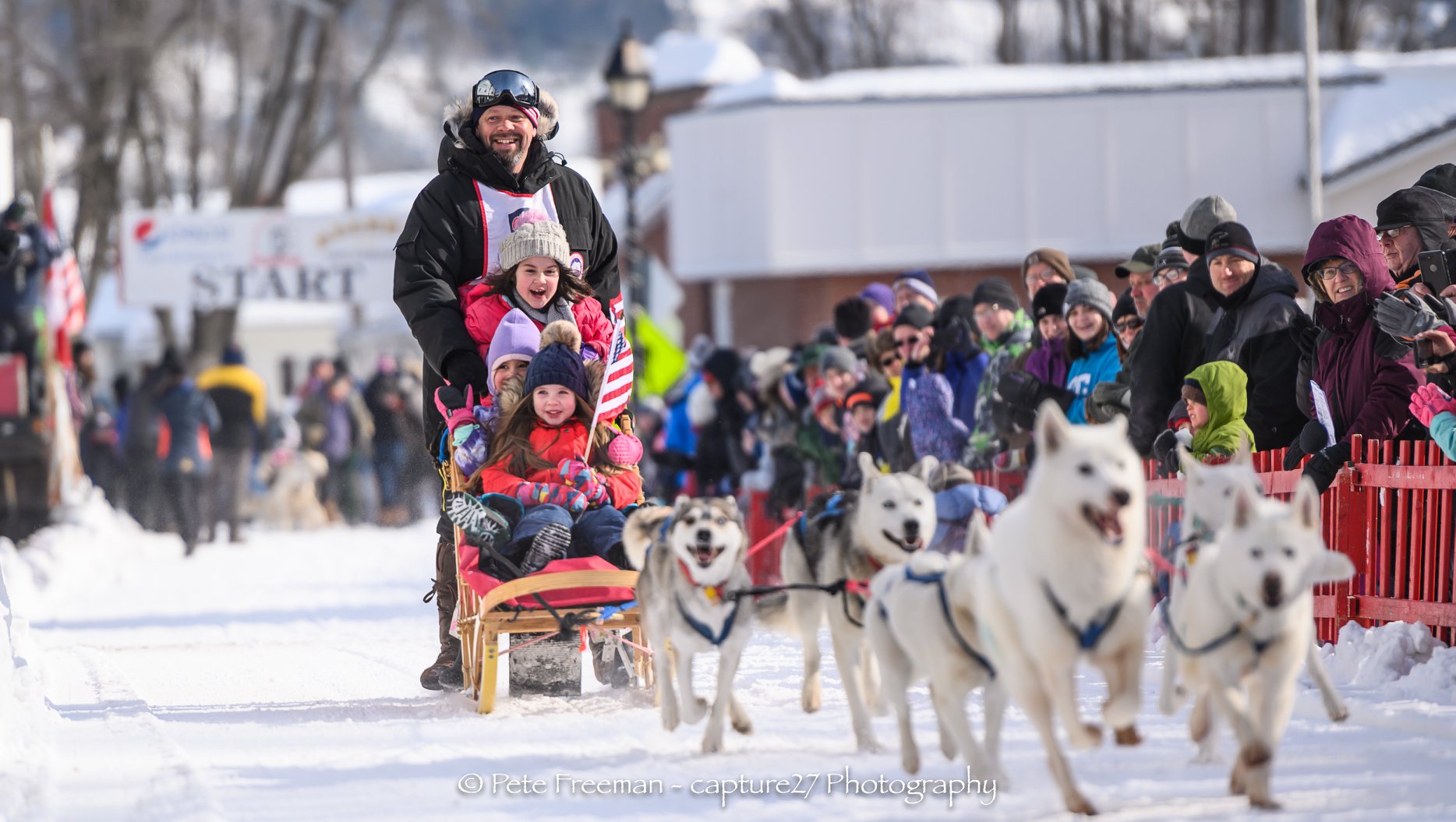
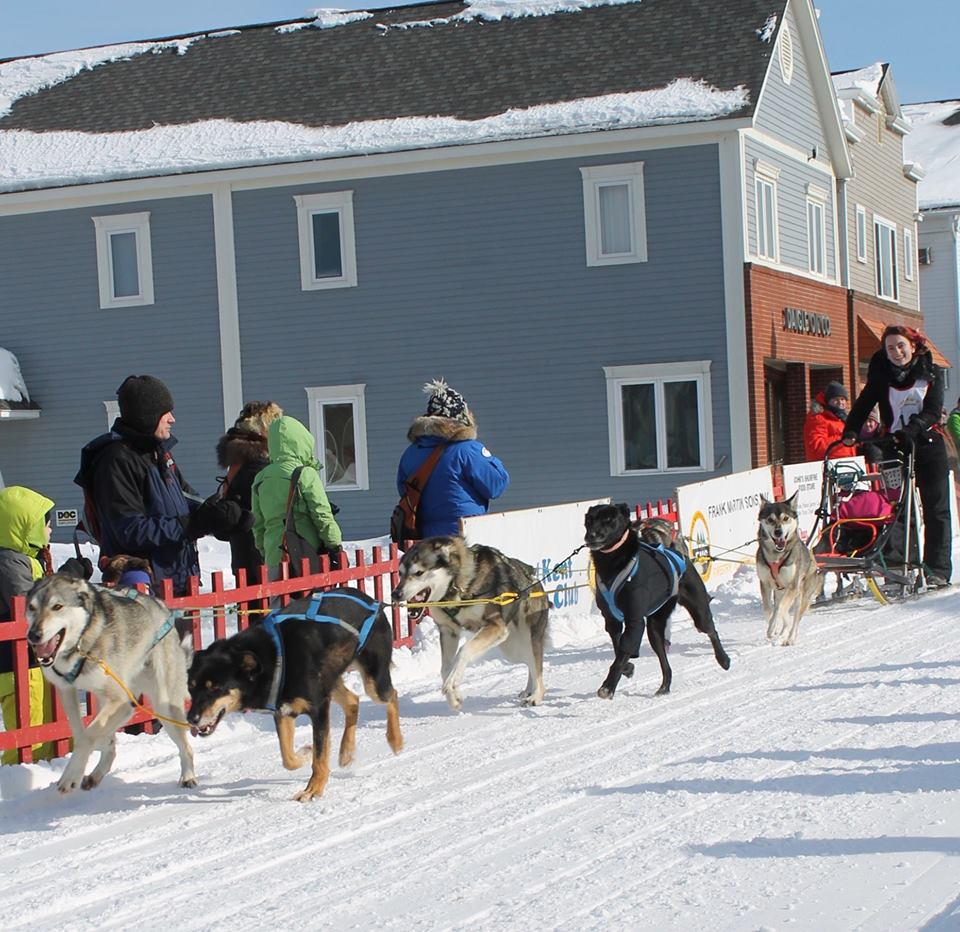
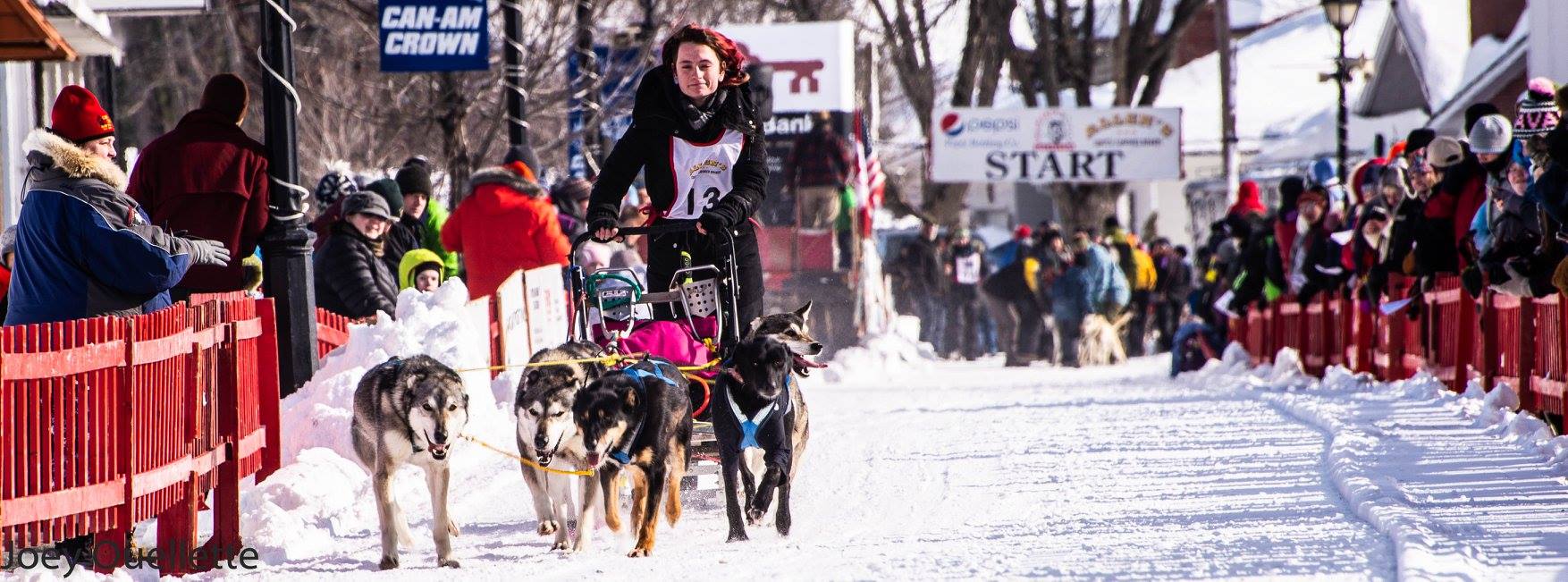
Can-Am Crown International Sled Dog Race 2019
My friends had a great time in Fort Kent, Maine this past weekend letting the dogs do what they love and were bred for. One of my own dogs and some I previously owned got to run the 30-mile race.

Ignorance:
This is the level of ignorance we are dealing with. I’m sort of at a loss of words as how to combat this total lack of understanding. Apparently, the new craze is to find an issue to support even if you know nothing about it. This makes you look like a saint or something.
If you want to be a saint tackle the homeless problem, the poor, the hungry, and the millions of pet owners who stick their token dog in the back yard and forget they exist. SMH

Why is the Yukon Quest so Tough?
A great little article about the conditions these dogs and musher’s endured. This is what these dogs were bred for. This is what they accel at like no other beast that is a friend of man. Dogs are life to a musher, and vice versa. To think that you will mistreat the animals that can save your life is insane.
The animal rights activist say this is cruel to make these dogs do this. The funny thing is you can’t make a dog do this. You can’t push a rope up a mountain. If a dog doesn’t want to do this he won’t, plain and simple. They will lay down and refuse to move. The lack of understanding of these dogs will be the end of them. So my feeble attempts to educate will go on in hope that some come to their senses.
By: Rob Cooke February 15 at 12:33 AM
Ever since I took this video I have ‘debated’ about whether to post it or not – largely because of optics and people not understanding and thinking that the dogs were suffering which they absolutely were not. I have already read a lot about what happened on Eagle Summit and parts have already been exaggerated by people who were clearly not there so I understand how easy it is to misinterpret something. However, others have suggested that I should show the video just to demonstrate how well the dogs cope and are designed to cope.
As soon as I got into Mile 101 I asked for a full vet check on the entire team and they all passed with flying colors (the vets and volunteers in 101 were amazing); the team all also had good body condition scores throughout the race just so they can deal with situations such as this. I shot this as we were making the final climb over the steepest part of Eagle Summit. It was slow going because visibility was so poor and we weren’t prepared to move up until we could see the next trail marker.
This would involve climbing up the slope until you could just see your leaders, planting a ski pole at that point and then keep climbing until the ski pole was just going out of view (between 10 and 15 feet away). Then wait with your back to the wind until you could feel the gusts drop and would then face uphill and scan for the marker. Once the marker, align the ski pole to the marker and go back to the team and move them up to the new marker.
This would all take a while and the dogs would revert to their basic instincts and ball up against the wind. The moment we asked the teams to move they would jump up, shake themselves off and literally scream to get going (in fact Deke located us by following the noise of the dogs barking), always hauling to the next marker and then immediately curl up and wait. I was amazed by how the dogs coped and how they knew exactly what to do.
All the time Andy, Jason and then Deke were constantly monitoring the state of all four teams. We really struggled to locate the final marker, it turned out it was on the edge of the summit and so constantly in a whiteout from snow being blown over the edge by 40 mph winds. We had decided that if we didn’t find that marker in the next five minutes we were not exposing the teams any longer and we would make our way back into the tree line and scratch, fortunately the marker was located and we were able to get the teams up on top where we waited until all four teams were in a close line and then we began our very grateful descent.
This was a huge team effort, no individual heroics, we all worked closely together to get our teams off safely and the dogs were the biggest part of that team; I am so pleased that everyone reacted so strongly and so calmly but I truly am amazed at how fantastic all four teams of dogs were and are. I am now making this public but will remove the post if it is used inappropriately.
The Yukon Quest 2019:
A video that portrays the excellence of the mushers and dogs doing what they were made for.
You want to win a free book?
You can win a free copy of my latest book I co-authored.

Carved in Stone:
Carved In Stone:
They run upon the frozen ground,
claws dig in, with scratchy sounds.
It doesn’t matter where they head,
they will get there or be dead.
The smell of newly fallen snow,
12 dogs just pulling in a row.
12 dogs those saints of snow,
tug at the lines, it’s time to go.
A musher steps aboard that sled,
wondering about the dangers ahead.
His team is full of life, not dread,
until they move, they only see red.
Quiet comes in the forest deep,
miles to go before they sleep.
Muscles work to keep that pace,
the musher yells it’s not a race.
His dogs don’t hear and keep that pace,
musher hangs on, frozen beard upon his face.
Riding behind his magnificent dozen,
48 legs pound in perfect percussion.
He may be dead weight upon the sled,
they work for him and earn their daily bread.
Those dogs will pull and see them home,
working together they are never alone.
A partnership that was carved in stone.
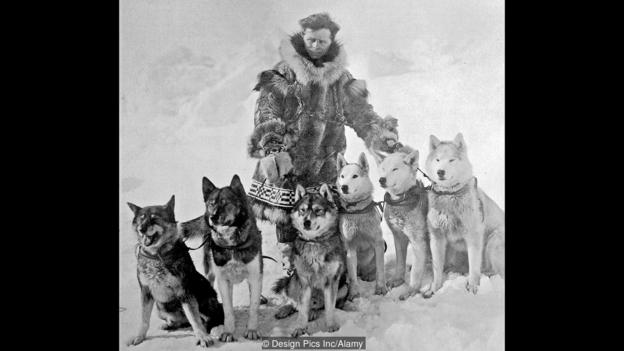
Leonhard Seppala was driving home.
Siberian Husky Roots:
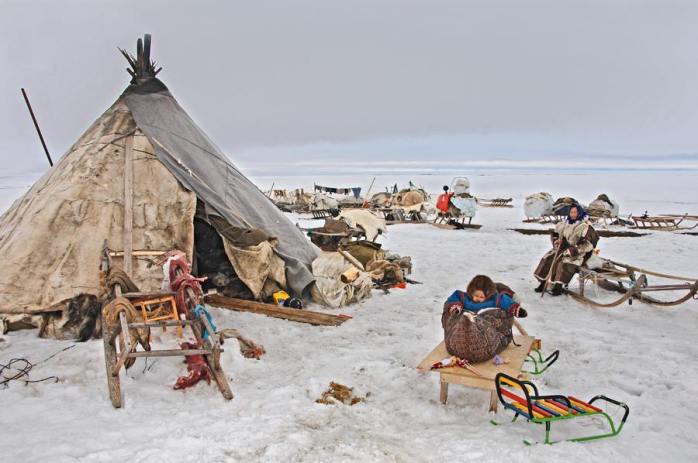
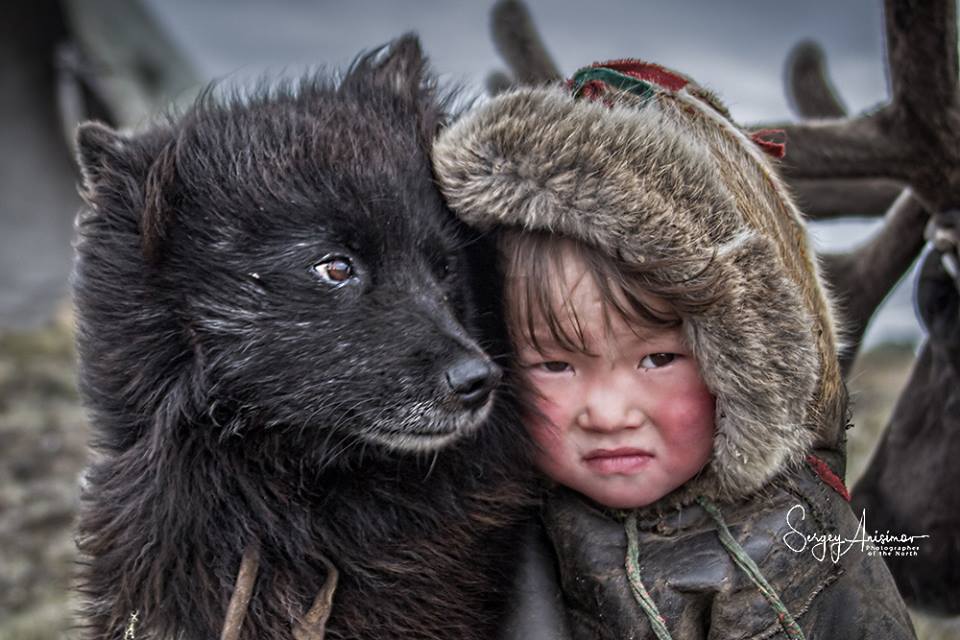
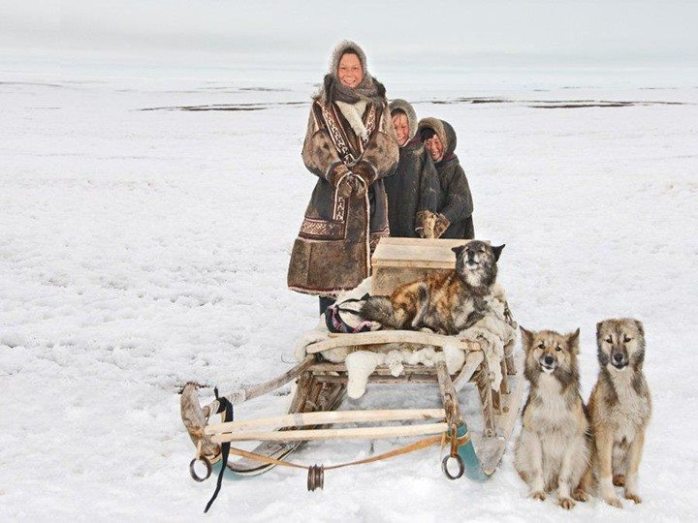
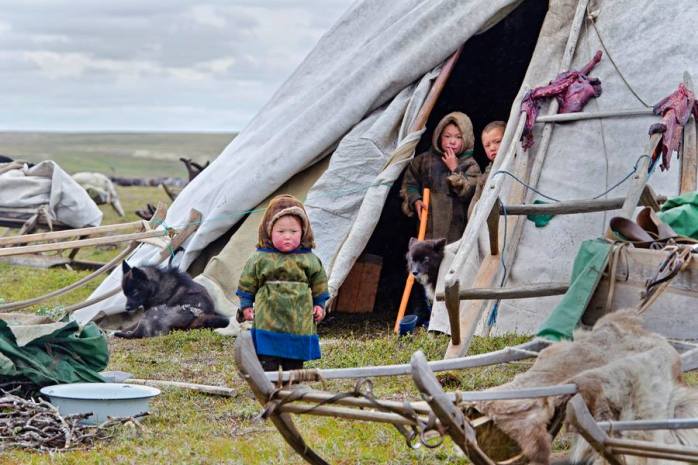
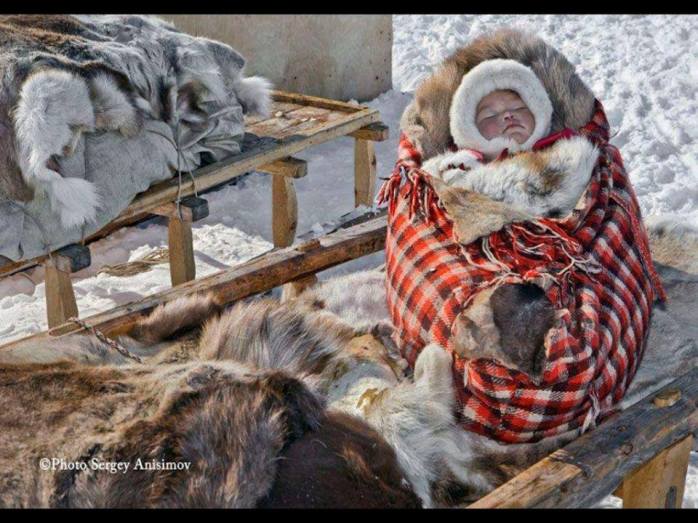
One of the best-known traits of the husky is how tough they are. They are known to pull medium size loads over long distances without tiring and on very little food. They are impervious to cold and able to survive -30 degrees with only the shelter of their furry coats. I wanted to show you some modern day photo’s of the type of life the Siberian Husky developed from for thousands of years. Dogs that were true members of the family. Both man and dogs formed a partnership so that both could live and survive. That’s what is in the DNA of the Modern Siberian and still handed down to this day. You can take a husky out of the north, but you can’t take the north out of a husky. It is what they are, and why so many end up in shelters because they are not understood. They were not bred to be apartment dwellers or couch potatoes, they are working dogs. Tough people and dogs lived together as one. The Huskies ancestors still live that way to this day.
So please don’t tell me how dog sledding is cruel. It’s a walk in the park compared to this life.





Matters of the Heart

If you take an elephant and put it on a scale and record its weight, and then you remove its heart and weigh it, and finally divide the weight of the heart by the weight of the elephant, you will get a dividend of approximately 0.6 percent.
Then, if you take a mouse and put it on a scale and record its weight, then remove its heart and weigh it, and finally divide the weight of the heart by the weight of the mouse, you also will get a dividend of approximately 0.6 percent.
Now, if you take a human or a cow and weigh either one, then weigh its heart and put it on a scale and record its weight, and finally divide the weight of the heart by the weight of the person or the bovine, you still will get a dividend of approximately 0.6 percent.
In fact, if you compare the size of the heart of any mammal to its total size you will always get a ratio of roughly six-tenths of one percent. And, you can even plot these comparisons on a graph, with animal weights along the bottom and heart weights along the side. You will get a straight line with a slope of 0.6%.
All mammals’ heart weight ratios will lie near this line. Except for the dog.
If you compare the weight of a dog’s heart to its total body mass you will get a ratio of 0.8%. That’s a third again as large as other mammals!
Now, a human marathon runner’s heart will increase in size under intensive training, perhaps up to 0.8%, which is an average dog’s size. But, a marathon racing husky’s heart also will increase with lots of exercise, from 0.8% to 1.0%. All the training in the world will never give a human super-athlete a heart as proportionately large as a sled dog’s. Marathon huskies are the aerobic super-athletes of the world.
Even more interesting is how the sled dog got that way. We would like to assume that humans “engineered” the sled dog from a wolf into an aerobic marathon runner through selective breeding–the way we have turned the water buffalo into a milk cow, or the way we morphed the wolf into the poodle, the chihuahua, the great Dane, and the shih-tsu. But, we’d be wrong.
It turns out the wolf also has a heart size ratio far higher than other mammals.
Wolves are born to run long distances and they have been for as long as there have been wolves and the wide-ranging prey upon which they feed. And, sled dogs, with whom wolves share a common ancestor, have carried aerobic wolf genes in their chromosomes for millennia. We humans have done little to make the sled dog a marathon runner. They evolved for it.
We may have selectively molded the wolf into the Irish setter or the Dalmatian or the Mexican hairless on the outside, but on the inside, the dog’s physiology has changed very little for thousands of years. Like its lupine cousins, who will routinely trot up to 50 miles per day as a pack in search of game, the sled dog will trot along with its team mates for hours on end, reveling in the arctic scenery, and knowing that there’s a hot meal waiting up ahead.
If humankind had stood on the shores of the Great Flood as it receded, and surveyed all of the pairs of critters disembarking from Noah’s ark, to choose the one best animal with which to run a thousand-mile sled dog race, the wise person would have chosen the dog.
While it is doubtful that this is how it happened, there is no question that the aboriginal inhabitants of the Arctic made the right decision when they let the friendlier of the wild dogs of the North creep toward their fires to scavenge the crumbs of their feasts. For that first courageous overture, the primitive wolf’s descendants have been amply rewarded with the best food, shelter, and humane care possible in such a harsh environment. In return, the aboriginal peoples, and the white immigrants with whom they shared their knowledge of the wilds, were given the greatest of all athletes in the world to carry their loads and share their journeys under the northern lights.
So on Valentine’s Day, when our thoughts turn to open hearts, thankful for all of the loves in our lives, we mustn’t forget to put our arms around that super-athlete at our feet. He’s got the biggest heart on the planet.
Dr. Jerry Vanek has been a musher or sled dog race veterinarian for the past 30 years, including five Yukon Quests. He is a former officer of theISDVMA and he continues to write and speak widely on the subject of sled dog medicine.Author: Jerry Vanek, DVM
 Life with Siberian Huskies